A Short Trim or a Longer Style: Questions to Ask Your Groomer
Should your dog get a short trim or keep a longer style? It's a common question, and the answer depends on upkeep, your style preferences, and what your dog's coat condition allows. This guide compares the two so you can ask the right questions.
Short trim or longer style — it's one of the most common decisions in dog grooming, and there's no single right answer. The choice depends on how much upkeep you can manage, your style preferences, and what your dog's coat condition supports. This guide compares the two approaches honestly so you can ask informed questions and choose what works for you and your dog.
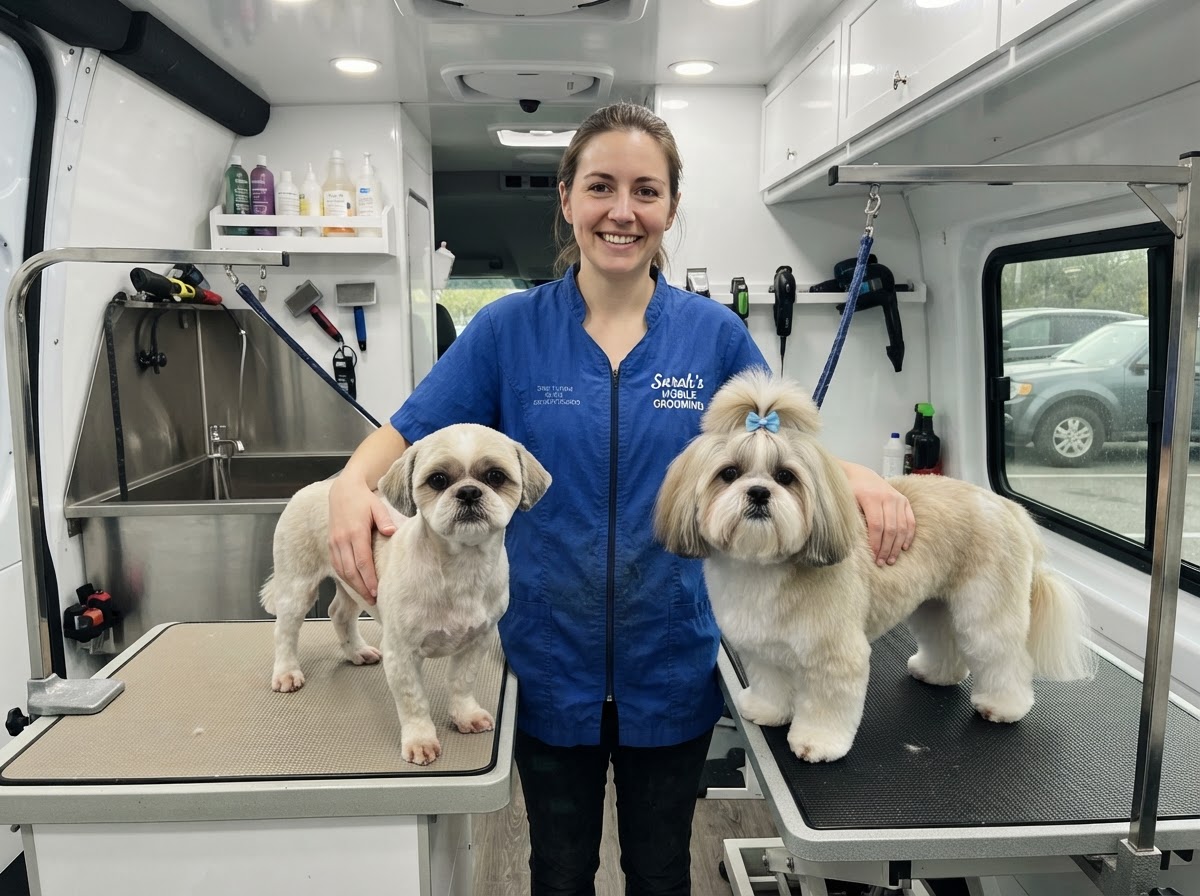
What a short trim offers
A short trim cuts the coat to a shorter, uniform length. The main advantage is maintenance: shorter coats are easier to brush, less prone to matting, and collect less debris. For active dogs that spend time outdoors in South Florida, a short trim can mean less dirt, sand, and tangling between visits. It's a practical choice for owners who can't brush daily.
A short trim also grows out relatively quickly, meaning you may need more frequent grooming to maintain the shape. But between visits, the upkeep is lighter — a quick brush rather than a thorough detangling session. For many owners, that trade-off is worth it.
What a longer style offers
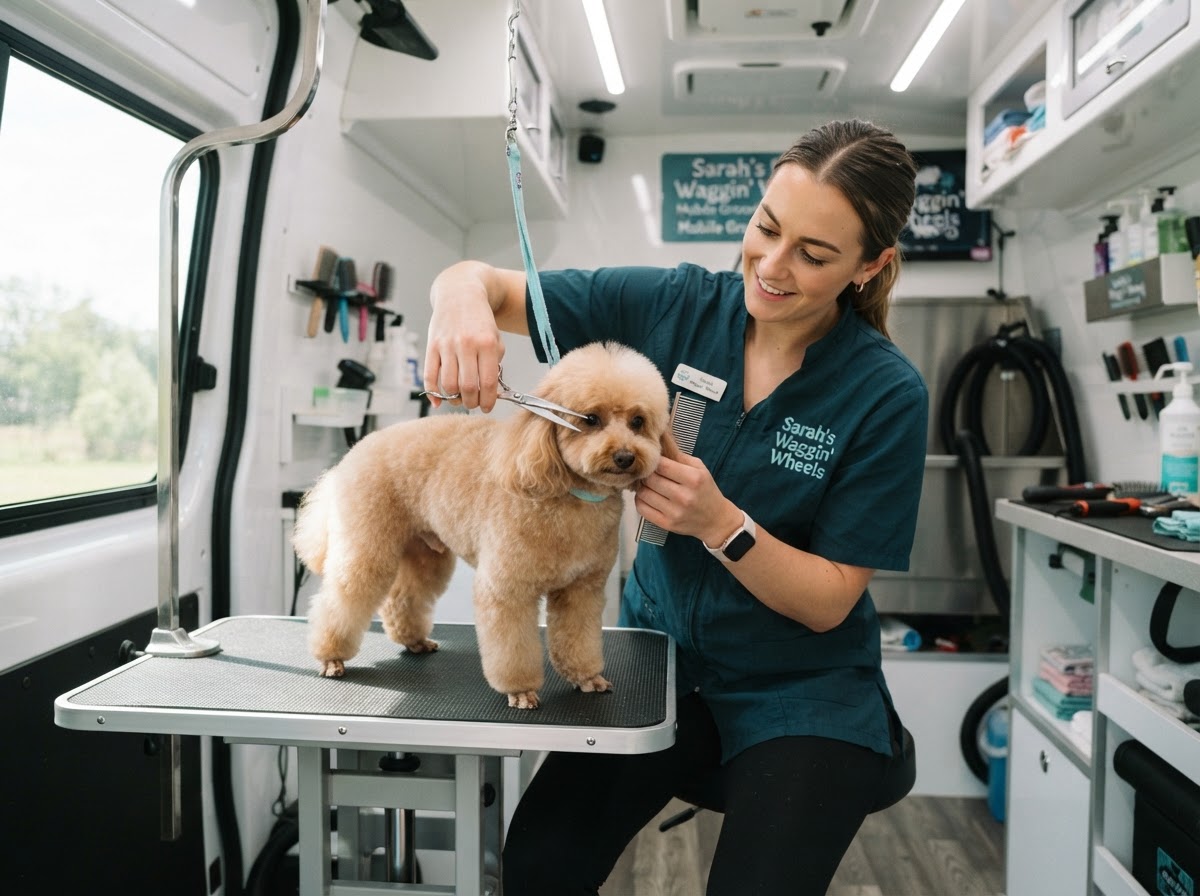
A longer style keeps more coat length, which can showcase your dog's natural coat texture and breed characteristics. Longer styles can look distinctive and elegant. However, they require significantly more maintenance — daily brushing for curly or long coats to prevent matting, and more attention between grooming visits.
A longer style is a good choice if you enjoy the look and can commit to the maintenance. But if you can't brush regularly, a long coat will mat, and matting is uncomfortable and difficult to address. Be honest about your brushing commitment before choosing a longer style.
Coat condition limits
Your dog's coat condition may limit what's achievable regardless of your preference. If the coat is matted or tangled, a longer style may not be possible without painful de-matting. Sometimes the kindest choice for a matted coat is a shorter trim to start fresh and then maintain it going forward.
Discuss the coat condition honestly with the team. If your dog is matted, ask about options: can the mats be de-matted, or is a shorter cut better for your dog's comfort? The team assesses the coat and recommends the kindest approach.
Breed and coat type considerations
Breed and coat type affect the choice. Double-coated breeds generally shouldn't be shaved very short — the topcoat protects the skin and regulates temperature. For double coats, de-shedding and trimming may be more appropriate than a short shave. Curly coats can go short or long but mat quickly if long. Wire coats hold their texture differently from soft coats.
Ask the team what's appropriate for your dog's breed and coat type. Don't assume a short cut is right for every dog or that a longer style is always an option — the coat type and condition guide what's achievable and what's best for your dog.
Climate and lifestyle factors
South Florida's warm, humid climate is a factor, but don't assume a very short haircut is automatically the right response to the weather. A dog's coat provides insulation and protection. For some breeds, shaving short can affect how the coat regrows and may remove natural protection. Discuss climate considerations with the team rather than assuming.
Lifestyle matters too. An active, outdoorsy dog may benefit from a shorter, easier-to-clean trim. A mostly-indoor dog may be fine with a longer style if you can maintain it. Think about your dog's daily routine when weighing the choice.
Maintenance commitment
The biggest practical factor is maintenance. Be honest about how often you can brush your dog. A longer style with daily brushing is a commitment — if you can't keep it up, the coat will mat and the next grooming visit will be more difficult. A short trim requires less between-visit maintenance but more frequent grooming to keep the shape.
There's no wrong answer — only the one that fits your life and your dog's coat. If you're unsure, ask the team what they'd recommend given your brushing routine and your dog's coat type.
Questions to ask about trim length
- How much brushing does a longer style require for my dog's coat?
- Is my dog's coat condition suitable for a longer style, or should we go shorter?
- What's appropriate for my dog's breed — should a double coat be shaved short?
- How often will I need to groom to maintain a short trim vs. a longer style?
- What length would you recommend given my lifestyle and maintenance routine?
Whether short or long, the key is choosing a style you can maintain and that suits your dog's coat. Ask the team for guidance based on your specific dog rather than following a general rule.
Quick questions
Ready to groom your pet?
Book an appointment or request a personalized quote with Fluffy Crew.