Sanitary Trims for Long-Coated Pets: Keeping Sensitive Areas Clean
For pets with long coats, the hair around the sanitary areas can trap waste, leading to odor, irritation, and hygiene issues. Sanitary trimming keeps these areas clean and comfortable. This guide explains how it works and why it's especially valuable for long-coated breeds, senior pets, and those with sensitivities.
For pets with long coats, the hair around the sanitary areas — the rear and the genitals — can present a real hygiene challenge. Long hair in these areas traps waste, leading to odor, skin irritation, and discomfort. Sanitary trimming keeps these areas clean and comfortable, and it's especially valuable for long-coated breeds, senior pets, and those with sensitivities. This guide explains how sanitary trimming works and why it matters for long-coated pets.
The long-coat hygiene challenge
Long-coated pets have beautiful coats, but the length creates hygiene challenges in the sanitary areas. The hair around the rear and genitals grows long, and when waste is present, the long hair traps it. This leads to odor, skin irritation from the trapped waste, and discomfort for your pet. It's also unpleasant for you to manage at home.
Without sanitary trimming, long-coated pets may develop matting in these areas, skin irritation, and persistent odor. The trapped waste can cause the skin to become irritated or, over time, more seriously affected. Sanitary trimming addresses this by keeping the hair in these areas short and manageable.
What sanitary trimming does
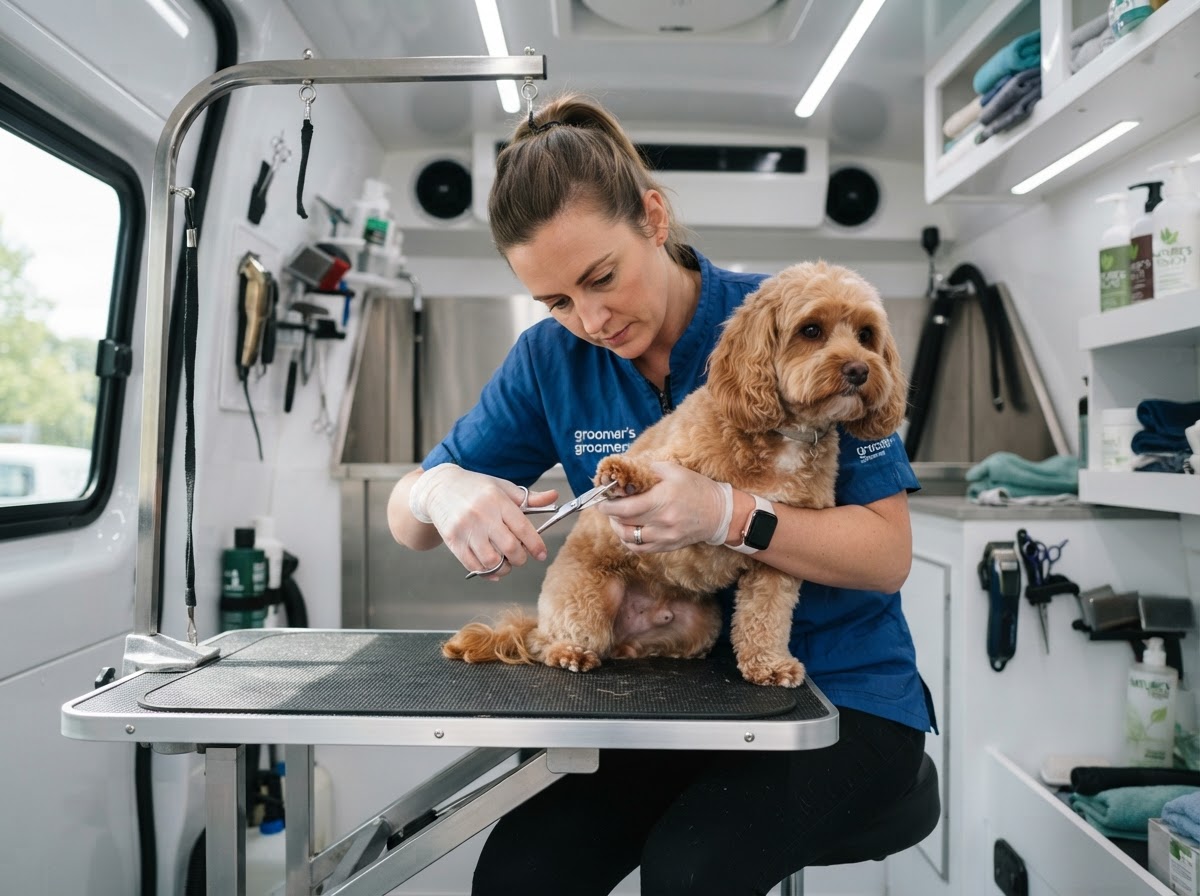
Sanitary trimming gently shortens the hair around the rear and the genital areas. The team carefully trims this hair to a short, manageable length that doesn't trap waste. The result is a tidy, hygienic area that's easy to keep clean and doesn't accumulate the issues that long hair causes. It's sensitive work, done gently and carefully.
The trimming is focused and gentle — the sanitary areas are sensitive, and the team works with care. The goal is hygiene and comfort: a short, clean area that doesn't trap waste, cause odor, or irritate the skin. For long-coated pets, this small trim makes a significant difference in daily comfort and cleanliness.
Why it matters for long-coated breeds
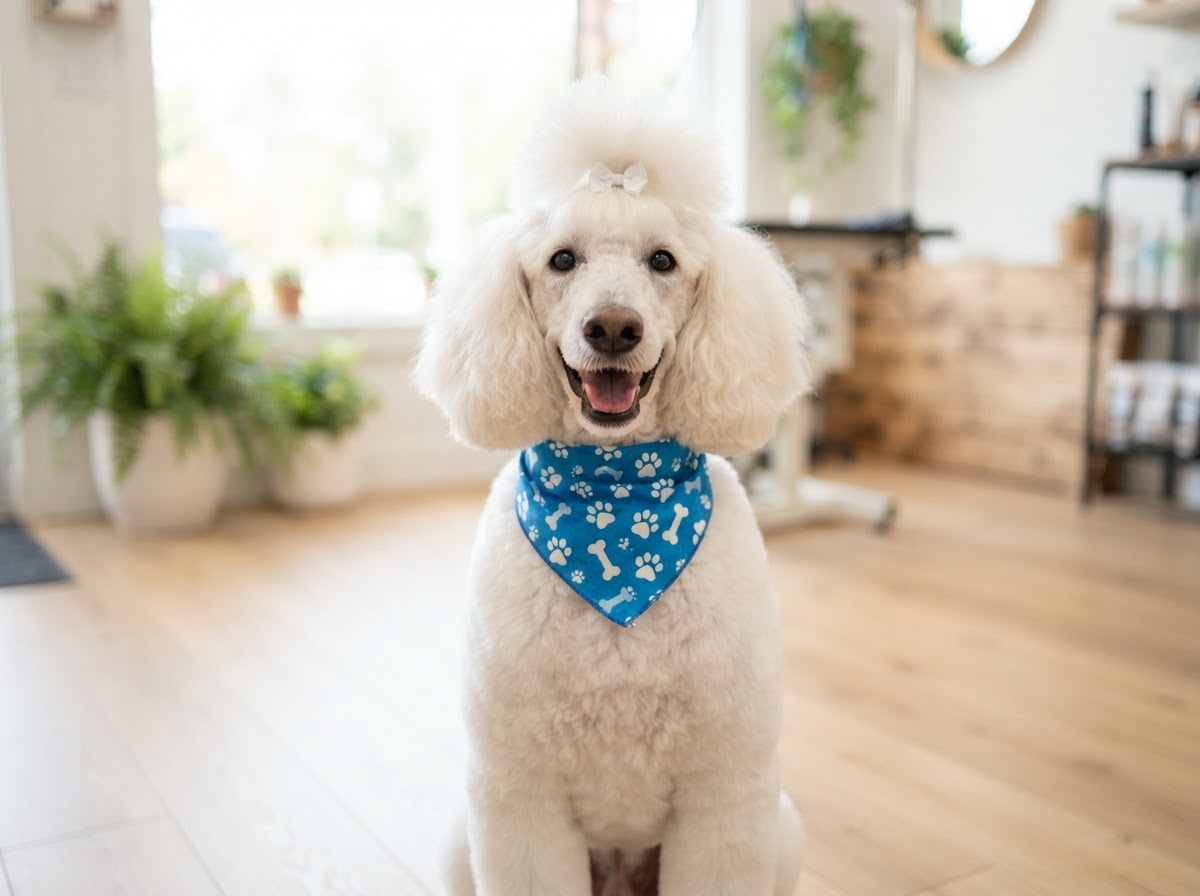
Long-coated breeds benefit most from sanitary trimming because their long hair is what causes the hygiene issues in the first place. Breeds and coat types with long hair around the rear — including doodles, poodles, shih tzus, and similar coats — are particularly prone to the trapping and matting that sanitary trimming addresses. For these coats, it's a routine part of grooming care.
For long-coated pets, sanitary trimming is often recommended as part of regular grooming rather than an occasional service. Keeping the sanitary areas short between visits helps manage the hygiene continuously. The team can advise on the right schedule for your pet's coat type.
Why senior pets benefit
Senior pets benefit from sanitary trimming for additional reasons. As pets age, they may have difficulty with self-grooming — they may not be able to clean themselves as effectively as they once did. This means the sanitary areas need more external help to stay clean. Sanitary trimming makes the area easier to keep clean and more comfortable for a senior pet.
Senior pets may also have digestive sensitivities or mobility issues that make the sanitary areas more challenging. A short, tidy sanitary area is easier for you to manage and more comfortable for your senior pet. Mention your pet's age so the team can plan a gentle, thorough approach to the sanitary trim.
Pets with sensitivities
Pets with digestive sensitivities — those prone to loose stools or digestive upset — benefit from sanitary trimming because the area is easier to keep clean when issues occur. A short sanitary area is easier to clean and less prone to the matting and irritation that a sensitive digestive system can cause in a long-coated pet.
If your pet has skin sensitivities in the sanitary area, mention it so the team can trim gently and use appropriate products. Some pets are sensitive about having the sanitary area handled — if your pet is, the team plans a calm, gentle approach. Your pet's comfort is the priority.
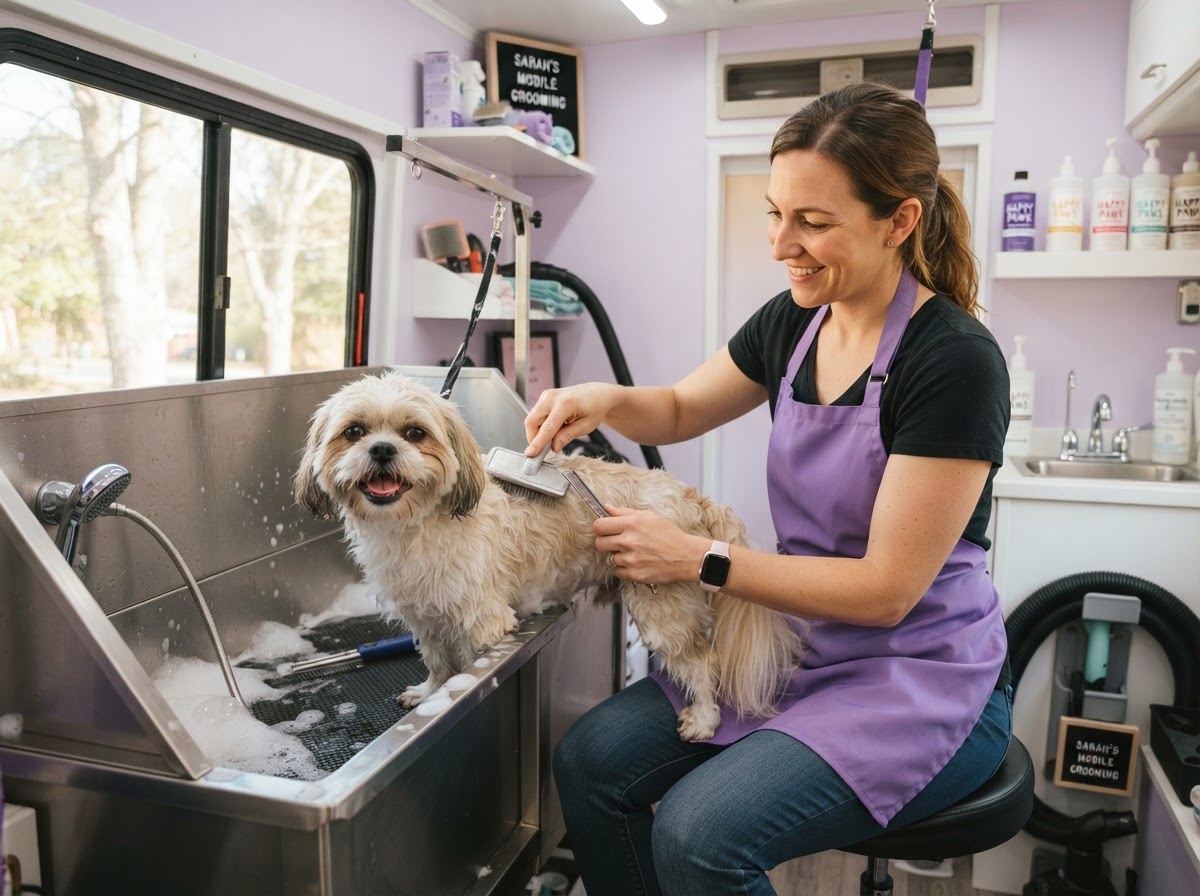
Sanitary trimming in Full Grooming
Paw and sanitary trimming is listed as one of the inclusions in Full Grooming, so the sanitary trim is part of that package. It's also offered as a grooming hygiene service. If you're booking Full Grooming, the sanitary trim is included. If you want a sanitary trim without the full package, ask about standalone availability — it's something to confirm.
For long-coated pets, a regular Full Grooming schedule keeps the sanitary areas tidy as part of the overall grooming. Between visits, you can help by checking the area and gently cleaning as needed. If the hair grows quickly, more frequent grooming may help.
Between-visit care
Between grooming visits, check the sanitary area regularly. If you notice accumulation, gently clean the area with a pet-safe wipe or warm water. If the hair grows long between visits, consider scheduling grooming more frequently. Don't cut matting in this area at home — the skin is sensitive. Mention any matting at the grooming visit.
For long-coated pets, a consistent grooming schedule keeps the sanitary areas manageable. The team can advise on the right frequency for your pet's coat type and your home-care routine. A combination of regular sanitary trimming and between-visit checks keeps the area comfortable and clean.
Questions to ask about sanitary trimming
- Does my long-coated pet need regular sanitary trimming?
- How often should the sanitary area be trimmed?
- Is sanitary trimming included in Full Grooming?
- How can I keep the sanitary area clean between visits?
- My senior pet has difficulty self-grooming — can the team help?
Sanitary trimming keeps the sensitive sanitary areas clean and comfortable, especially for long-coated breeds, senior pets, and those with sensitivities. It's part of Full Grooming and a valuable hygiene service. Regular sanitary trimming, combined with between-visit care, keeps your pet comfortable and clean.
Quick questions
Ready to groom your pet?
Book an appointment or request a personalized quote with Fluffy Crew.