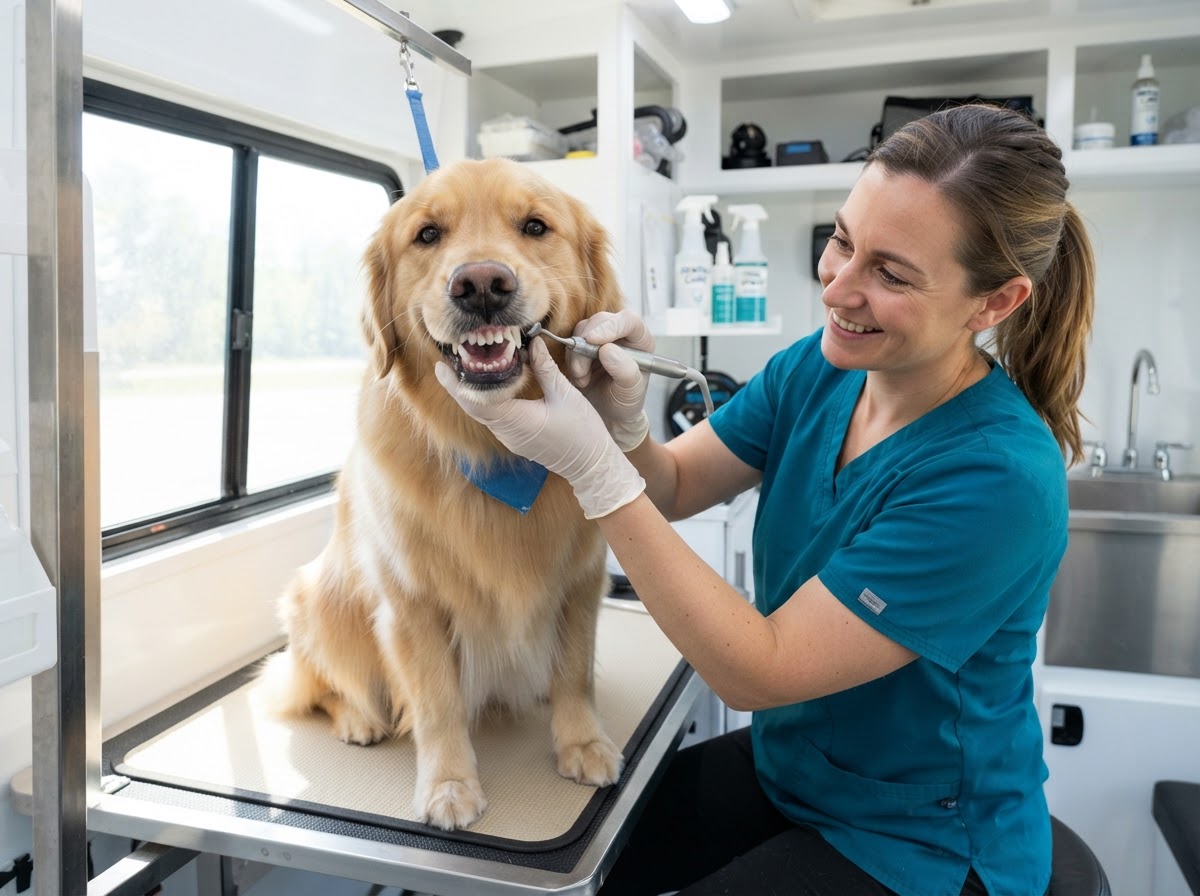
Pet Bad Breath: Is It a Grooming Issue or a Reason to See Your Vet?
Pet bad breath is a common concern, and it's not always clear whether it's something grooming can address or a reason to see your veterinarian. Occasional breath odor can be normal, but persistent bad breath often signals dental disease or another medical condition. This guide helps you tell the difference.
Pet bad breath is a common concern, and it's not always clear whether it's something grooming can address or a reason to see your veterinarian. Occasional breath odor can be normal — pets' mouths aren't naturally minty — but persistent or strong bad breath often signals dental disease or another medical condition. This guide helps you tell the difference so you can get the right care for your pet's mouth.
When bad breath can be normal
Some breath odor is normal. Pets' mouths have bacteria, and they eat things — food, treats, sometimes things they shouldn't — that can leave an odor. A mild breath odor, especially after eating, isn't necessarily a problem. It's the persistent, strong, or worsening bad breath that's a concern.
If your pet's breath is occasionally a bit unpleasant but otherwise they're eating normally, their gums look healthy, and there are no other signs, it may be within the range of normal. Cosmetic teeth cleaning during grooming can help freshen the mouth by cleaning the visible surface of the teeth. But if the bad breath is persistent, strong, or accompanied by other signs, it's worth investigating with your veterinarian.
When bad breath is a concern
Persistent, strong, or worsening bad breath is a concern because it often signals dental disease. The most common cause of persistent bad breath in pets is periodontal disease — inflammation and infection of the structures that support the teeth, which occurs below the gumline. Bacteria in the diseased areas produce the odor. Cosmetic cleaning can't address this because it's below the surface.
Bad breath can also signal other medical conditions — digestive issues, oral infections, or in some cases systemic conditions. If your pet has persistent bad breath, your veterinarian can examine the mouth, check for dental disease and other causes, and recommend appropriate care. Don't assume bad breath is just a cosmetic issue — it's often a sign of something that needs treatment.
Signs that bad breath needs a vet
If bad breath is accompanied by any of these signs, it's a veterinary concern:
- Persistent or strong bad breath that doesn't resolve
- Red, swollen, or bleeding gums
- Difficulty eating, dropping food, or reluctance to eat
- Pawing at the mouth or mouth pain
- Loose, fractured, or discolored teeth
- Swelling around the mouth or face
- Drooling more than usual
These signs suggest dental disease or another condition that needs veterinary diagnosis and treatment. Cosmetic teeth cleaning won't address the underlying cause. See your veterinarian for an examination and appropriate care.

What cosmetic cleaning can and can't do for breath
Cosmetic teeth cleaning during grooming cleans the visible surface of the teeth, which can freshen the mouth temporarily by removing surface buildup. If the bad breath is from surface buildup on the visible teeth, cosmetic cleaning may help. But if the odor is from dental disease below the gumline, an oral infection, or another medical cause, cosmetic cleaning won't address it.
Think of cosmetic cleaning as surface care that freshens the visible teeth. It's appropriate for a healthy mouth that needs surface tidying. If there's persistent bad breath or other signs of a problem, the cause needs veterinary attention. Don't rely on cosmetic cleaning to address breath that has a medical cause.
What your veterinarian can do
Your veterinarian can examine your pet's mouth thoroughly, including the gums and the areas below the gumline. They can take dental X-rays to identify problems that aren't visible — disease below the gumline, tooth root issues, abscesses. They can diagnose the cause of the bad breath and recommend treatment, which may include a professional dental cleaning under anesthesia, treatment of infection, extractions, or other care.
If the bad breath has a non-dental cause — digestive issues, for example — your veterinarian can investigate that too. They're the right guide for diagnosing the cause of persistent bad breath. The grooming team can freshen the visible teeth; your vet addresses the medical cause.
Deciding which your pet needs
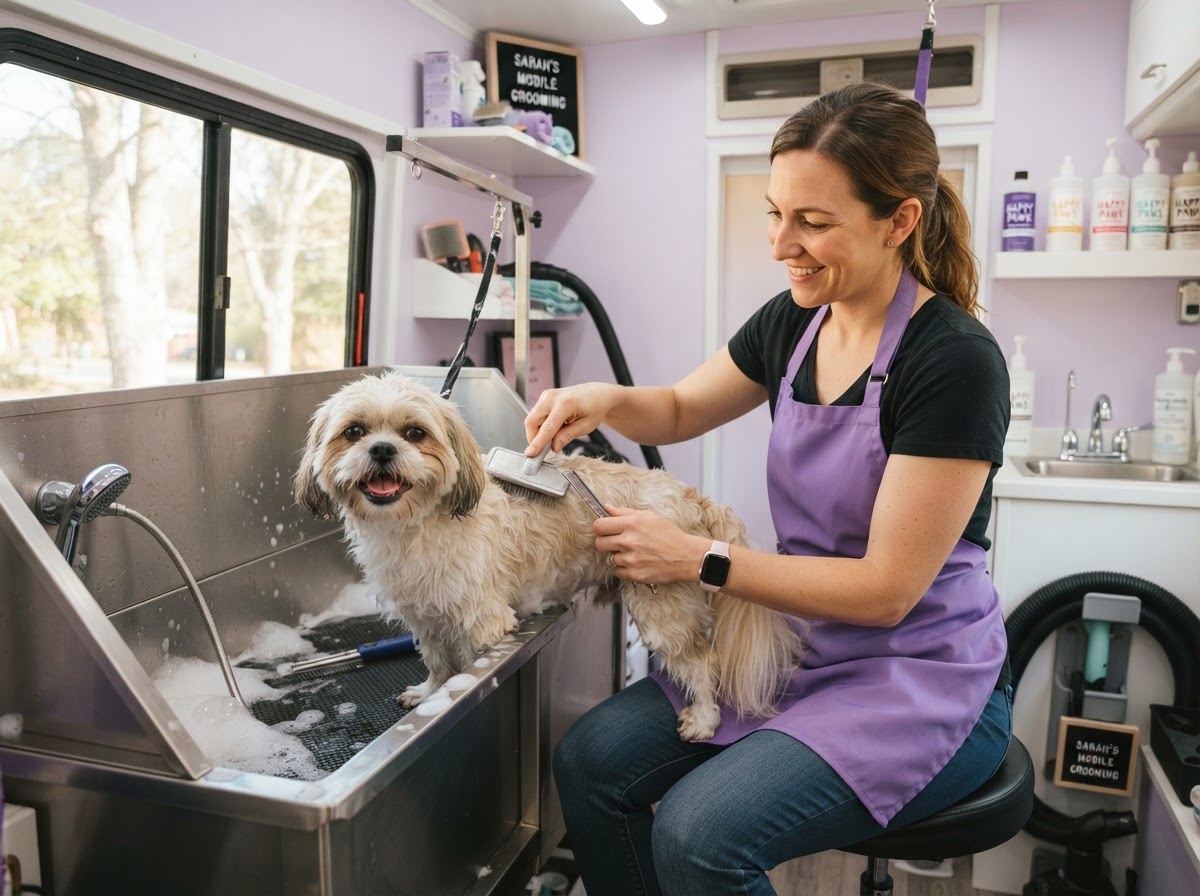
If your pet has a healthy mouth and occasional mild breath odor, cosmetic teeth cleaning during grooming can freshen the visible teeth. If your pet has persistent, strong, or worsening bad breath — especially with other signs like red gums, difficulty eating, or pawing at the mouth — see your veterinarian. The bad breath likely has a medical cause that needs diagnosis and treatment.
When in doubt, ask your veterinarian. They can examine your pet's mouth and tell you whether the bad breath is a concern that needs treatment or within the range of normal. It's better to check than to assume bad breath is just a cosmetic issue — dental disease is common and best caught early.
Questions to ask
- Is my pet's bad breath normal, or a sign of a problem?
- Are there other signs — red gums, difficulty eating — that need a vet?
- Can cosmetic teeth cleaning help, or does the cause need veterinary care?
- Does my pet need a professional veterinary dental cleaning?
- How often should my pet have veterinary dental checkups?
Pet bad breath can be normal or a sign of dental disease. Occasional mild odor may be fine — cosmetic cleaning can freshen the visible teeth. Persistent, strong, or worsening bad breath often signals a medical cause that needs your veterinarian. When in doubt, ask your vet.
Quick questions
Ready to groom your pet?
Book an appointment or request a personalized quote with Fluffy Crew.