Cosmetic Teeth Cleaning vs. Veterinary Dental Care: The Important Difference
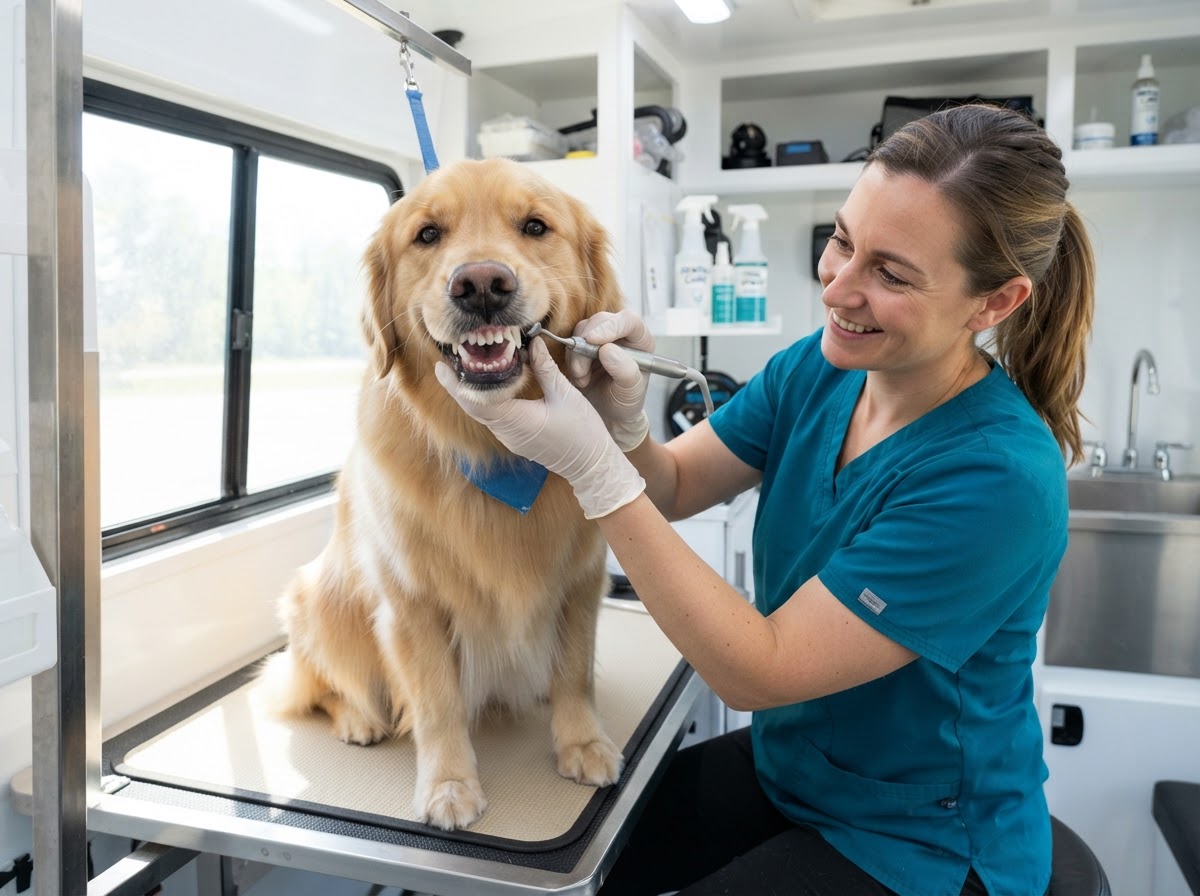
There's an important difference between cosmetic teeth cleaning during grooming and veterinary dental care. One is a surface grooming service; the other is comprehensive medical dental care. Understanding the difference helps you get the right care for your pet's mouth at the right time.
There's an important difference between cosmetic teeth cleaning performed during a grooming visit and veterinary dental care provided by your veterinarian. They serve distinctly different purposes, and understanding the difference helps you get the right care for your pet's mouth at the right time. This guide compares the two so you can make informed choices about your pet's dental care.
What cosmetic teeth cleaning does
As our guide to cosmetic teeth cleaning explains, cosmetic teeth cleaning during grooming is a surface cleaning of the visible parts of your pet's teeth. The team cleans the outer, visible surface of the teeth — the crowns — to remove surface buildup and freshen the mouth. It's a cosmetic, surface-level cleaning performed without anesthesia.
The cleaning addresses what's visible — the surface of the teeth you can see. It's a grooming service that keeps the visible teeth tidy. It's quick, it doesn't require anesthesia, and it's done as part of the grooming visit. It's cosmetic care, not medical dental treatment.
What veterinary dental care does
Veterinary dental care is comprehensive medical dental care. A professional veterinary dental cleaning is typically performed under anesthesia, which allows the veterinarian to thoroughly examine the entire mouth, clean both above and below the gumline, take dental X-rays to identify problems below the surface, and treat any dental disease found. It's a medical procedure, not a cosmetic service.
Veterinary dental care diagnoses and treats dental disease — periodontal disease, tooth fractures, decay, abscesses, and other conditions. It addresses the areas below the gumline where much of dental disease occurs — areas that a surface cleaning can't reach. It may include extractions, treatment of infections, or other medical care as needed. It's the standard of care for pet dental health.
Why anesthesia matters
Anesthesia is a key difference. Thorough dental care — cleaning below the gumline, X-rays, examination of the entire mouth — requires a pet to be still and cooperative, which can't be expected without anesthesia. A pet can't be asked to hold their mouth open for a comprehensive cleaning and examination. Cosmetic grooming cleaning is done without anesthesia, which is why it's limited to the visible surface.
Anesthesia allows the veterinarian to do a thorough, safe, complete job. It's not a risk to be taken lightly — your veterinarian evaluates your pet's health before anesthesia and monitors them throughout. But for comprehensive dental care, it's necessary. The limitation of cosmetic cleaning — surface only — is directly related to it being done without anesthesia.

What each addresses
Cosmetic teeth cleaning addresses the visible surface of the teeth — keeping the crowns tidy and freshening the mouth. It's a surface grooming service. Veterinary dental care addresses the entire mouth — the teeth above and below the gumline, the gums, the roots, and any disease — diagnosing and treating conditions that a surface cleaning can't reach or resolve.
Much of dental disease in pets occurs below the gumline — periodontal disease affects the structures that support the teeth, which are below the surface. A surface cleaning can't address this. Only veterinary dental care — with X-rays and below-gumline cleaning — can diagnose and treat periodontal disease. This is the key difference.
Why the difference matters
The difference matters because relying on cosmetic cleaning for dental disease delays proper care. If your pet has periodontal disease, a surface cleaning won't treat it — the disease progresses below the gumline. Early diagnosis and treatment by your veterinarian can prevent more serious problems, including tooth loss and pain. Cosmetic cleaning can't provide this care.
Conversely, veterinary dental care isn't needed for a surface tidying of healthy teeth — but regular veterinary dental checkups are still important to catch disease early. Cosmetic cleaning can supplement veterinary care for a healthy mouth, but it doesn't replace the examinations and treatment that your veterinarian provides.
Signs that need veterinary dental care
Certain signs mean your pet needs veterinary dental care, not a grooming cleaning. If you notice any of these, contact your veterinarian:
- Persistent or strong bad breath
- Red, swollen, or bleeding gums
- Difficulty eating, dropping food, or reluctance to eat
- Pawing at the mouth or mouth pain
- Loose, fractured, or discolored teeth
- Swelling around the mouth or face
These signs suggest dental disease or another medical condition. Cosmetic cleaning won't address them. Your veterinarian can examine the mouth, take X-rays if needed, diagnose the problem, and recommend treatment. Don't delay — dental disease can worsen and cause pain and tooth loss.
Working together
Cosmetic teeth cleaning and veterinary dental care can work together for your pet's mouth. If your veterinarian has examined your pet's mouth and confirmed it's healthy, cosmetic cleaning during grooming can help keep the visible teeth tidy between veterinary visits. It's a supplement to, not a replacement for, regular veterinary dental checkups and care.
Keep your veterinarian informed about what you're doing for your pet's dental care. If you're using cosmetic teeth cleaning during grooming, mention it to your vet so they have the full picture. Your vet remains the primary guide for your pet's dental health — the grooming service is supplementary.
Questions to ask
- Is my pet's mouth healthy, or are there signs of dental disease?
- Does my pet need a veterinary dental exam or cleaning?
- Is cosmetic teeth cleaning a supplement or a replacement for vet care?
- What signs of dental problems should prompt a vet visit?
- How often should my pet see the vet for dental checkups?
Cosmetic teeth cleaning is a surface grooming service; veterinary dental care is comprehensive medical dental care. The two serve different purposes — cosmetic cleaning tidies the visible teeth, and your vet diagnoses and treats dental disease. Use both appropriately for your pet's dental health.
Quick questions
Ready to groom your pet?
Book an appointment or request a personalized quote with Fluffy Crew.