Recurring Anal Gland Issues: When to Talk to Your Veterinarian
If your pet's anal glands fill frequently or the fullness recurs quickly after expression, there may be an underlying cause worth investigating with your veterinarian. This guide covers when recurring anal gland issues need a veterinary management plan — not just grooming expression — and how the two can work together.
If your pet's anal glands fill frequently, or the fullness recurs quickly after grooming expression, there may be an underlying cause worth investigating. Recurring anal gland issues can have several causes — diet, anatomy, allergies — and a veterinary management plan often helps more than grooming expression alone. This guide covers when recurring issues need your veterinarian and how the grooming team and your vet can work together for your pet's comfort.
What recurring issues look like
Recurring anal gland issues take different forms. Your pet's glands may fill frequently — needing expression more often than typical. The fullness may recur quickly after expression — within days or weeks rather than lasting until the next grooming visit. Or your pet may show signs of fullness — scooting, licking — repeatedly despite regular expression. These patterns suggest the glands aren't emptying naturally as they should.
If you notice these patterns — frequent filling, rapid recurrence, or repeated signs despite expression — it's worth talking to your veterinarian. Recurring issues often have an underlying cause that grooming expression alone doesn't address. Identifying and managing the cause can reduce the frequency and severity of the problems.
Possible underlying causes
Recurring anal gland issues can have several underlying causes. One common factor is diet: soft or loose stools don't put enough pressure on the glands during defecation to empty them naturally. Firm stools help natural expression. Your veterinarian can recommend dietary changes — added fiber, a different food, or other adjustments — to firm the stool and support natural emptying.
Anatomy can also play a role. Some pets' gland anatomy or position makes natural emptying less efficient. Allergies — environmental or food — can cause inflammation that affects the glands. In some cases, recurring issues are related to a combination of factors. Your veterinarian can investigate the cause and recommend a tailored plan.
This guide doesn't diagnose the cause — that's your veterinarian's role. The grooming team can share what they observe — how full the glands were, how quickly they seem to refill — but the investigation and management plan come from your vet.
When to talk to your vet
Talk to your veterinarian if you notice any of these patterns:
- The glands fill frequently — more often than typical
- Fullness recurs quickly after expression — within days or weeks
- Your pet shows signs of fullness repeatedly despite regular expression
- Expression doesn't seem to provide lasting relief
- You notice swelling, discharge, or pain alongside the fullness
These patterns suggest the glands aren't emptying naturally, and an underlying cause may be at play. Your veterinarian can examine your pet, discuss the patterns, and recommend a management plan. Don't rely on grooming expression alone for recurring issues — the cause may need to be addressed.
What a management plan may include
A veterinary management plan for recurring anal gland issues may include several elements. Dietary changes are common — adding fiber or adjusting the diet to firm the stool, which supports natural emptying. Regular veterinary expression may be recommended, on a schedule suited to your pet's needs. If allergies are a factor, managing the allergies may help. Each plan is tailored to the pet.
Your veterinarian determines the right plan for your pet. This guide doesn't recommend specific dietary changes or treatments — those come from your vet based on your pet's health, history, and the cause of the recurring issues. Follow your vet's guidance for the management plan.
How grooming and vet care work together
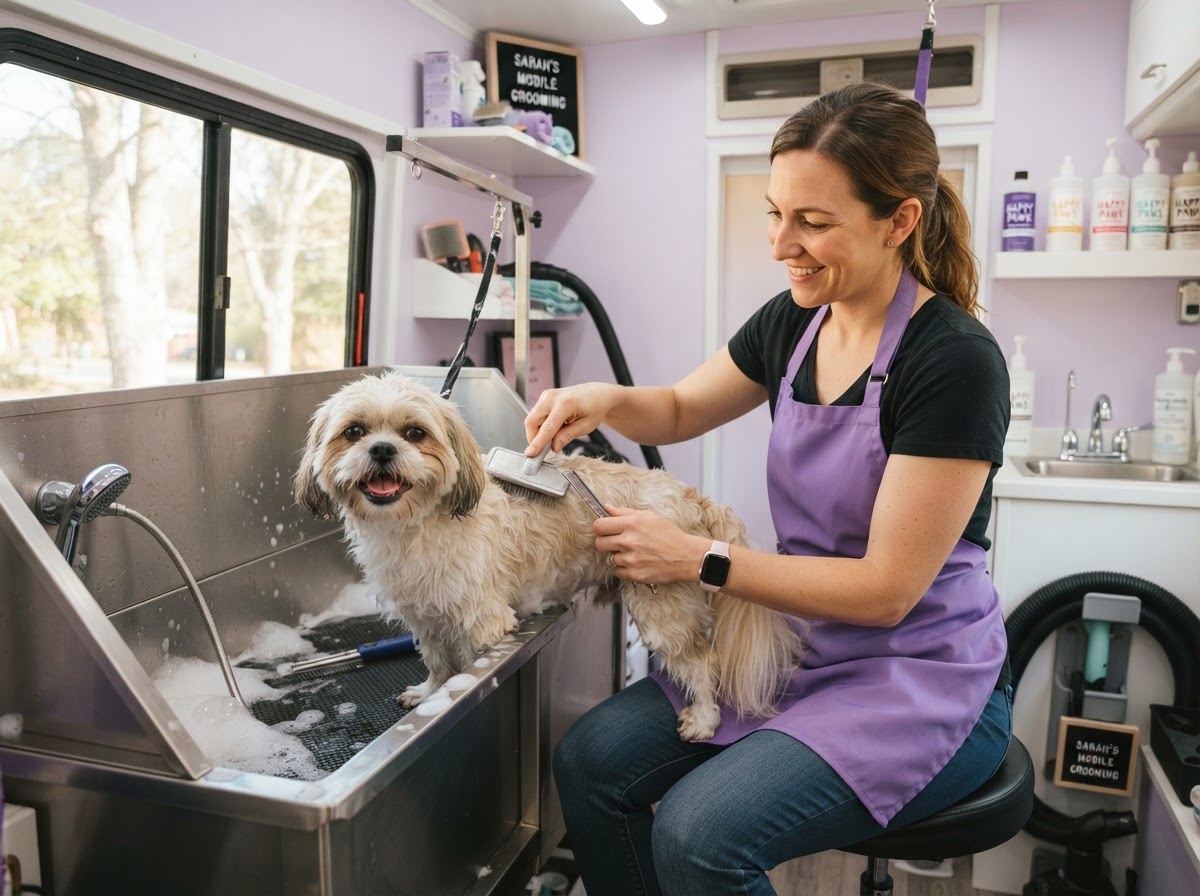
The grooming team and your veterinarian can work together for your pet's anal gland care. If your vet has recommended a management plan, share it with the grooming team. The team can perform expression as part of the grooming visit, aligned with your vet's guidance. They can also share what they observe — how full the glands were, how quickly they seem to refill — which is useful information for your vet.
Keep your vet informed about how the glands are doing between visits. If the grooming team notices that the glands were very full, or that they seem to fill quickly, share that with your vet. This information helps your vet adjust the management plan. The two work together for your pet's comfort.
When it's more than recurring fullness
Recurring fullness is one thing; impaction or infection is another. If, alongside the recurring fullness, you notice swelling, lumps, abnormal discharge, blood, or pain, that suggests impaction or infection — a more serious condition that needs prompt veterinary attention. Don't wait for the next grooming visit. See your veterinarian.
Impaction and infection can worsen and lead to abscesses if not treated. If you see signs beyond routine fullness — especially pain, swelling, or discharge — contact your veterinarian promptly. The grooming expression can't treat these conditions.
Questions to ask your veterinarian
- Why might my pet's anal glands fill frequently?
- Could diet help my pet's anal glands empty naturally?
- How often should the glands be expressed for my pet?
- Could allergies or another condition be contributing?
- What management plan do you recommend for my pet?
- How can the grooming team complement this plan?
Recurring anal gland issues often have an underlying cause — diet, anatomy, or allergies. Talk to your veterinarian about a management plan, and share it with the grooming team so they can align. The two work together for your pet's comfort, with your vet addressing the cause and the grooming team providing routine expression.
Quick questions
Ready to groom your pet?
Book an appointment or request a personalized quote with Fluffy Crew.